
True textile sustainability in high-end design
In the world of premium interior design, sustainability has become a major talking point. However, as greenwashing claims multiply, professionals face a growing challenge. It is no longer just about choosing a fabric with an eco-friendly label, but about finding materials that balance environmental responsibility with the extreme performance required for high-end hospitality, marine, and residential projects.
Longevity is the ultimate eco-argument
The most sustainable product is the one that does not need to be replaced. High-traffic environments like hotel lobbies, sun-drenched terraces, or luxury marine interiors subject fabrics to immense wear and tear. When a textile pills, fades, or tears within a few years, the environmental cost of manufacturing, shipping, and replacing it doubles.
Investing in extreme durability, outstanding abrasion resistance, and excellent pilling performance is the most effective way to reduce waste and lower a project's overall carbon footprint.
Rethinking the production cycle
True environmental responsibility starts at the molecular level, long before the fabric reaches the weaving mill. Conventional textile production relies heavily on water-intensive dye baths and harsh chemical treatments to achieve vibrant colors and stain resistance.
The industry is moving toward smarter manufacturing alternatives:
- Water-free dyeing: By adding color directly during fiber extrusion rather than dipping finished fabrics into dye vats, energy use, water consumption, and chemical waste are drastically reduced.
- PFC-Free protection: Traditional performance fabrics often rely on fluorocarbons (PFCs) to repel liquids, a practice that can harm the environment. Modern engineering demonstrates that exceptional water repellency can be achieved without toxic PFCs.
- Chemical-Free maintenance: Luxury design should be easy to maintain without relying on specialized chemical dry-cleaning. Fabrics that can be easily spot-cleaned or machine-washed at high temperatures keep the environment clean during their entire lifecycle.
Designing for a future circular economy
Many textiles today claim sustainability by blending a small percentage of recycled yarn into the weave. While this sounds appealing on paper, blending different types of fibers often makes the material impossible to recycle at the end of its life, sending it straight to the landfill.
True circular design requires a forward-thinking approach. Using a 100% mono-material, like pure polyester, ensures the fabric is technically ready for a closed-loop recycling system when it finally reaches the end of its lifecycle.

The Fiqa standard
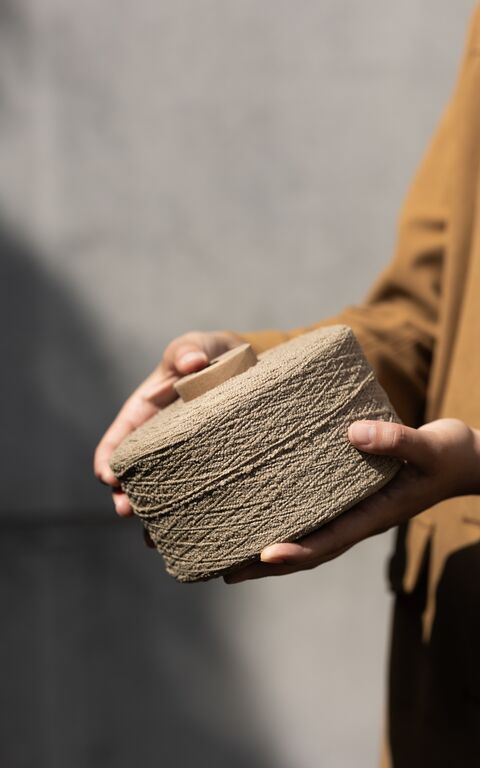
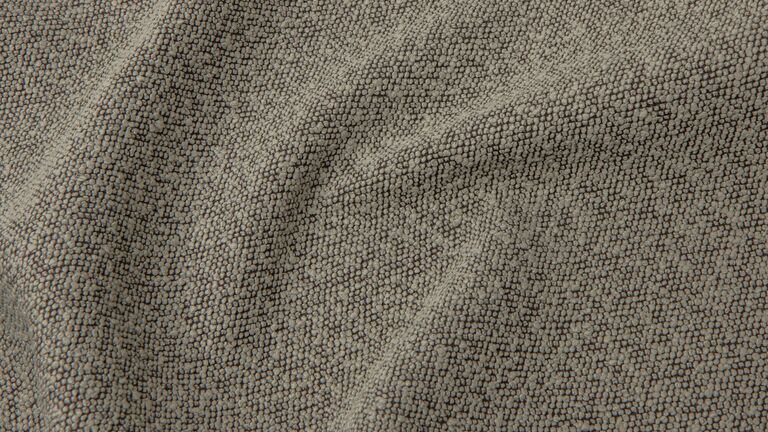
At Fiqa, responsibility is integral to our engineering process. Our solution-dyed fabrics are built to outlast traditional textiles while eliminating water from the dyeing process. They deliver top-tier, PFC-free water repellency, hold the strictest OEKO-TEX® Standard 100 certification, and can be safely machine-washed at 60°C or spot-cleaned with bleach.
We consciously choose long-term impact over short-term trends. Because we refuse to compromise on the flawless durability, lightfastness, and fire safety required for heavy contract use, our fabrics currently use virgin fibers. This ensures maximum lifespan today, while our 100% mono-material structure guarantees they are fully circular and future-ready for complete recycling tomorrow.